Hopewell Furnace
Hopewell Furnace National Historic Site was close to where we were staying so we took a day to explore another NPS site and learn some of our Nation’s history!
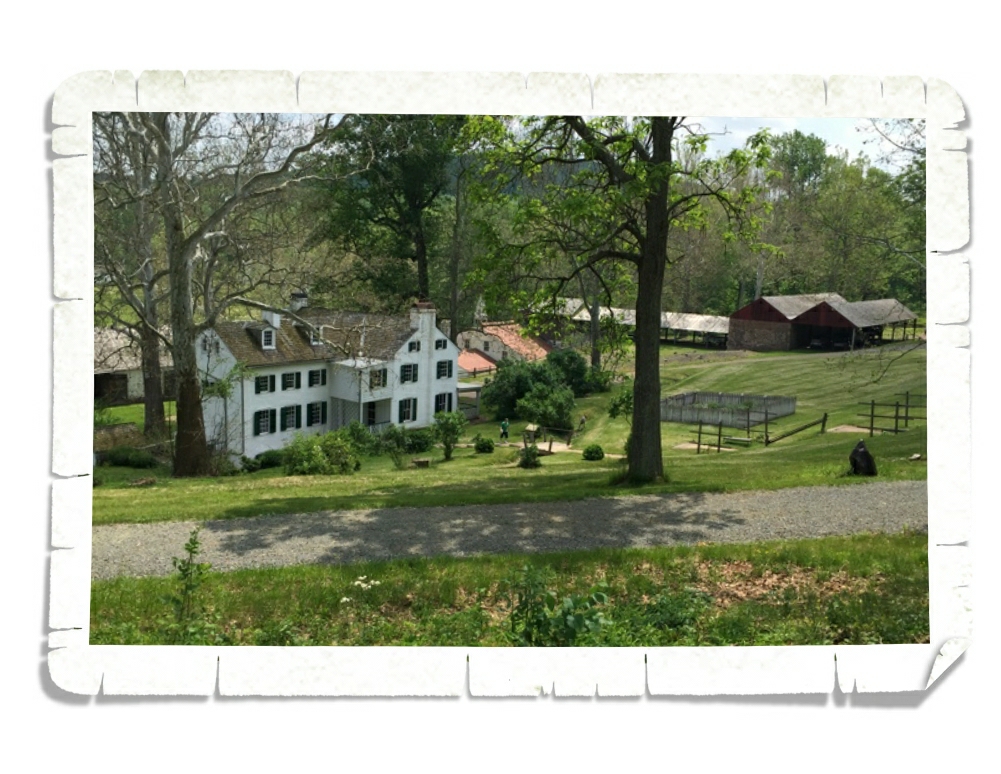
Mark Bird built Hopewell Furnace in 1771. You can see the Hopewell Furnace Big House in the photo above.
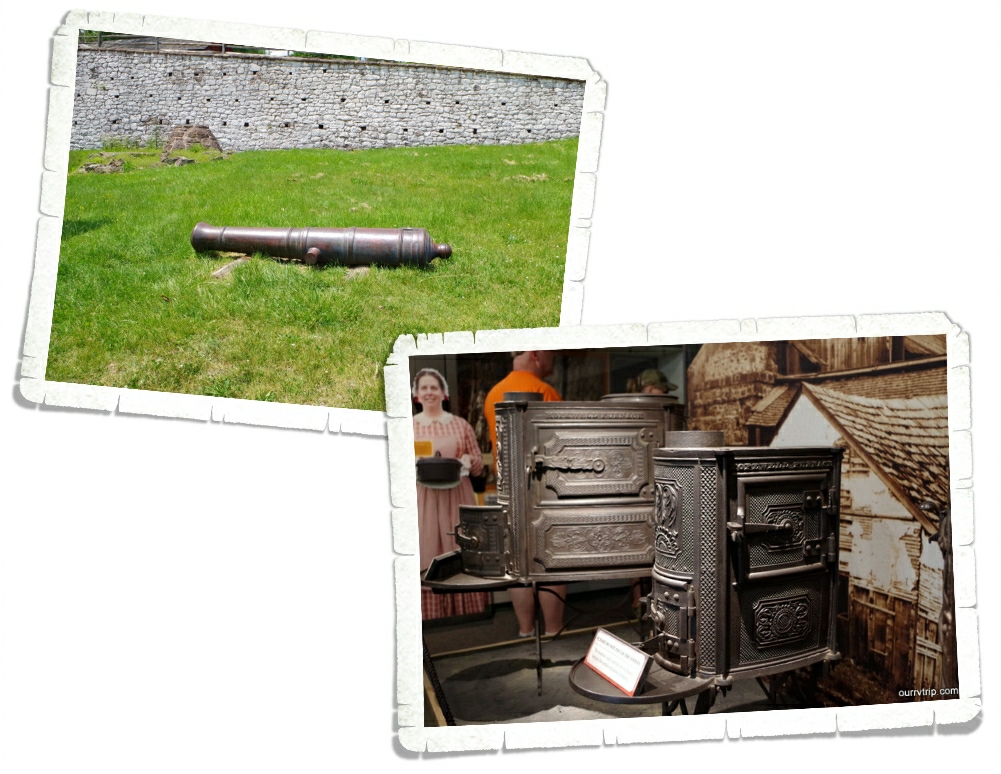
At the beginning of the Revolutionary War, American furnaces, forges, and mills were making around one-seventh of the world’s iron works. During the Revolutionary War, Hopewell played a critical role in supplying the our new Nation’s army with weapons. George Washington chose the Valley Forge location in part because of how close it was to Hopewell.
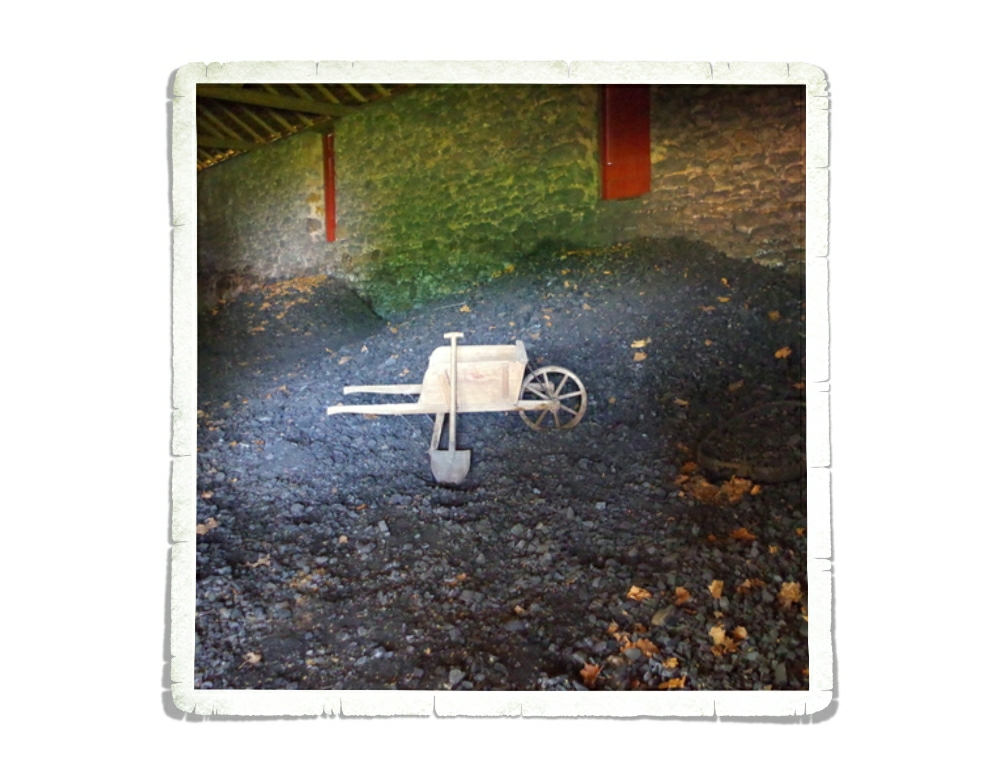
It took an acre of woodlands to make enough charcoal to run an iron furnace for just one day. At Hopewell, they made their own charcoal in the Charcoal cooling shed.
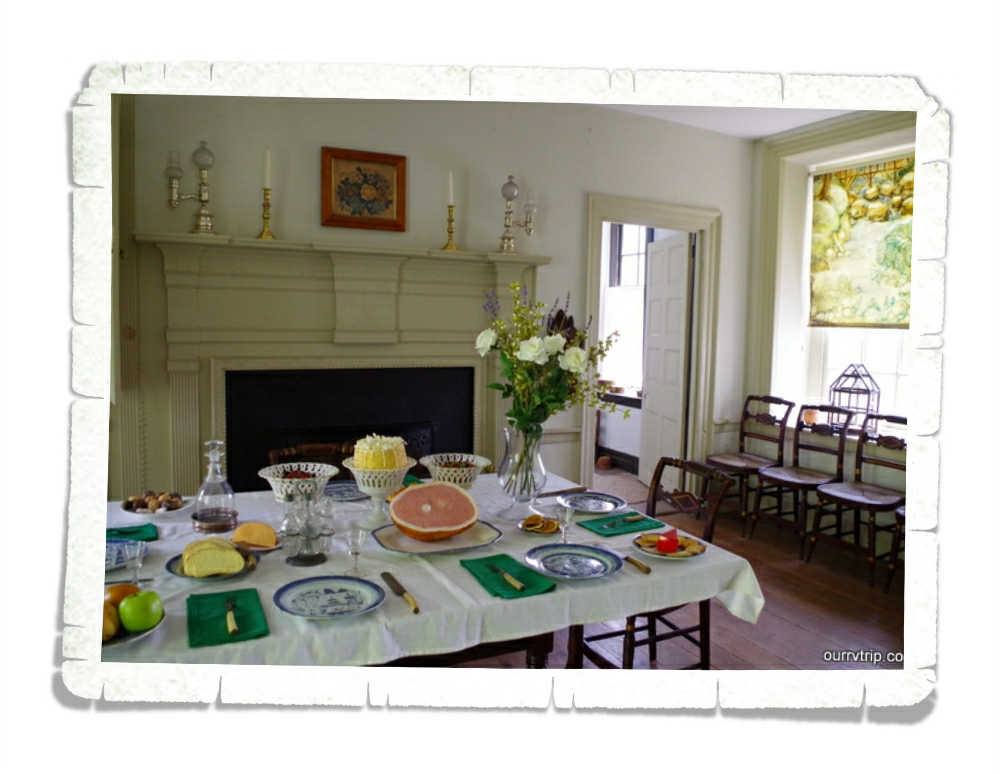
There are several buildings on the property that are open for viewing to show what life was like at Hopewell while it was running. They set up the dining room in the big house to show what a meal at that time might look like.
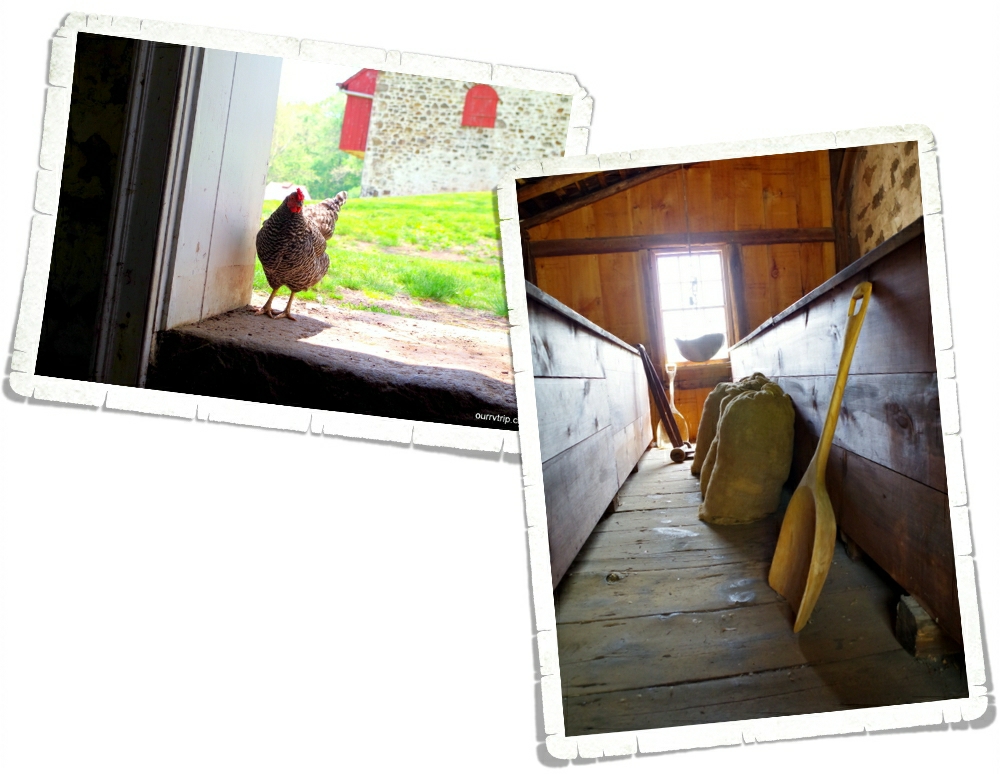
The barn held up to 36 horses along with a year’s worth of feed. One of the neat things about Hopewell, is that the animals that would have been running around at Hopewell while it was running are still running around it today.
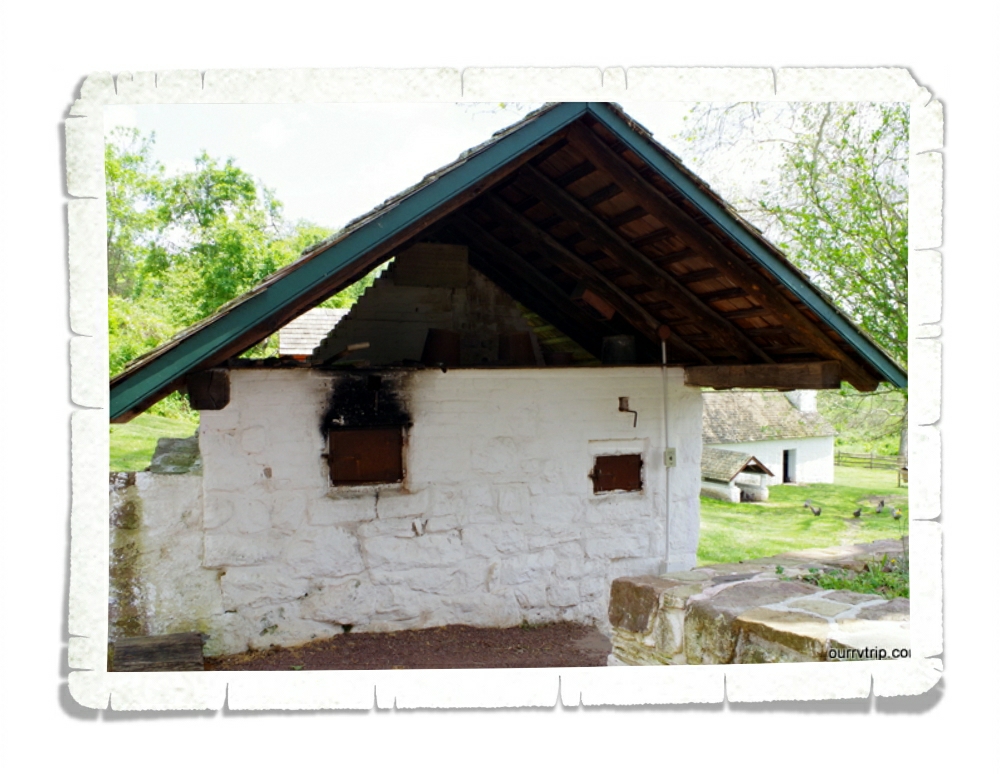
Saturdays were baking days in rural America. They used wood fired ovens like the one above. They would test the heat by sticking their arm in and counting the seconds they could leave it in. The number they got to told them if it was too hot or not hot enough for certain breads and pies.
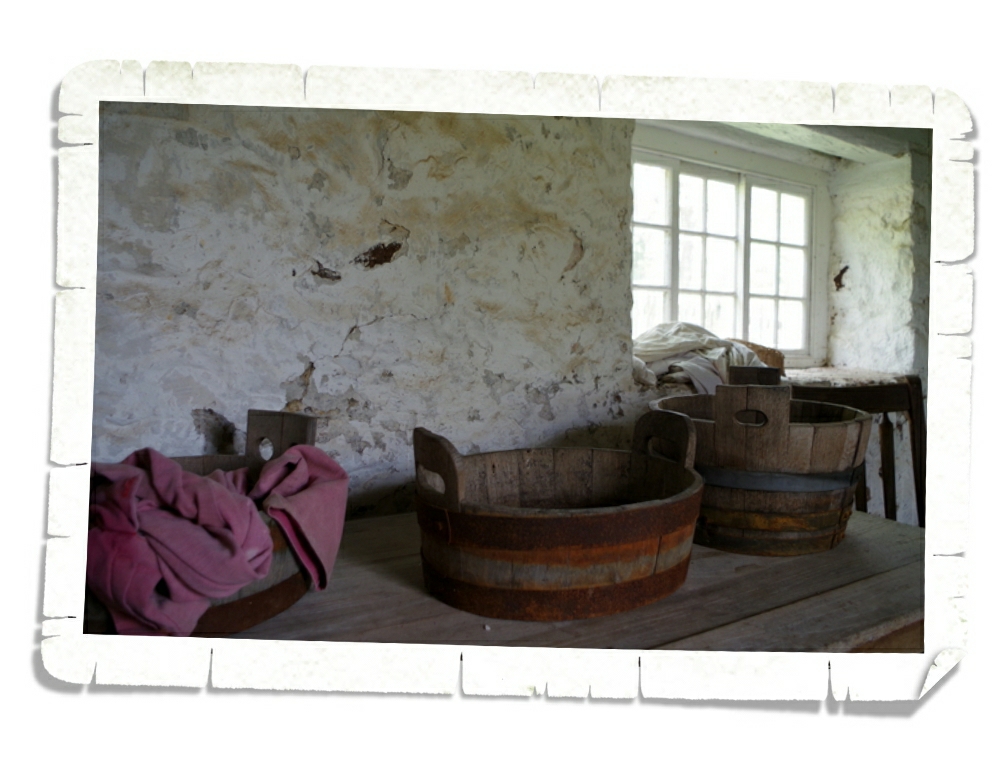
One of the buildings you can wander through is the wash building. I’m so glad we don’t have to do laundry that way anymore! That would be a work out!
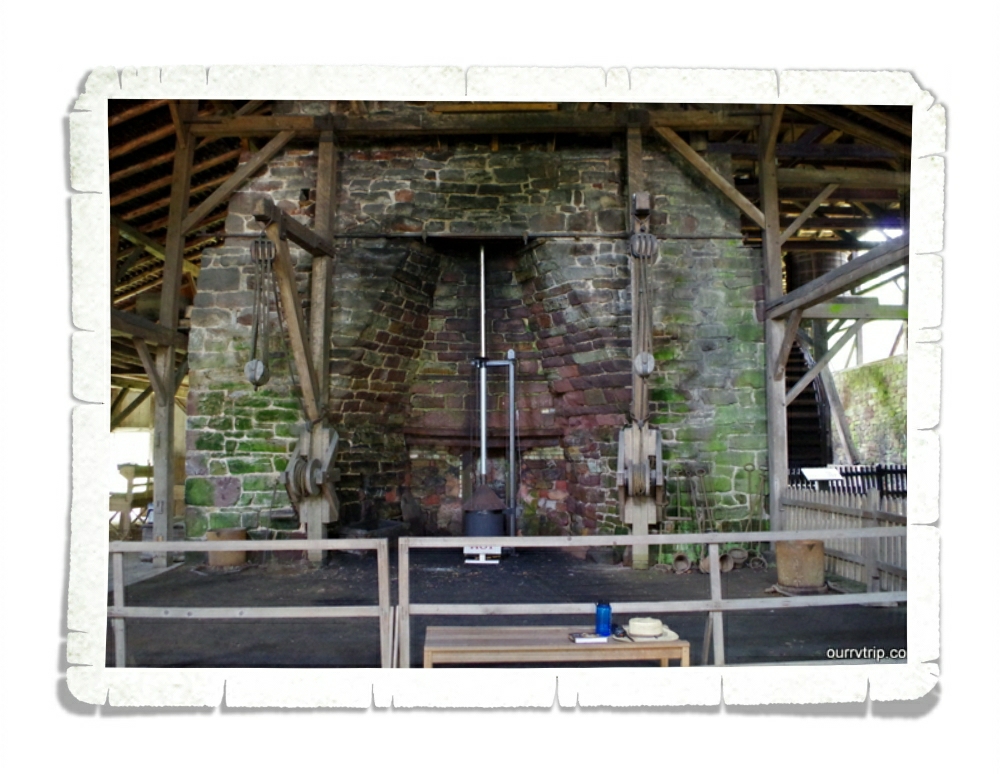
And, of course, there’s the furnace in the Cast Shop! I couldn’t get a great shot of it, but it’s huge! The temperature inside the furnace would reach temps of 2,600°- 3,000° F and it would run 24 hours a day. Workers would constantly feed it, watch it’s flame, and listen to the sound of the its blast to make sure it was staying hot enough. This was probably the most important building there.
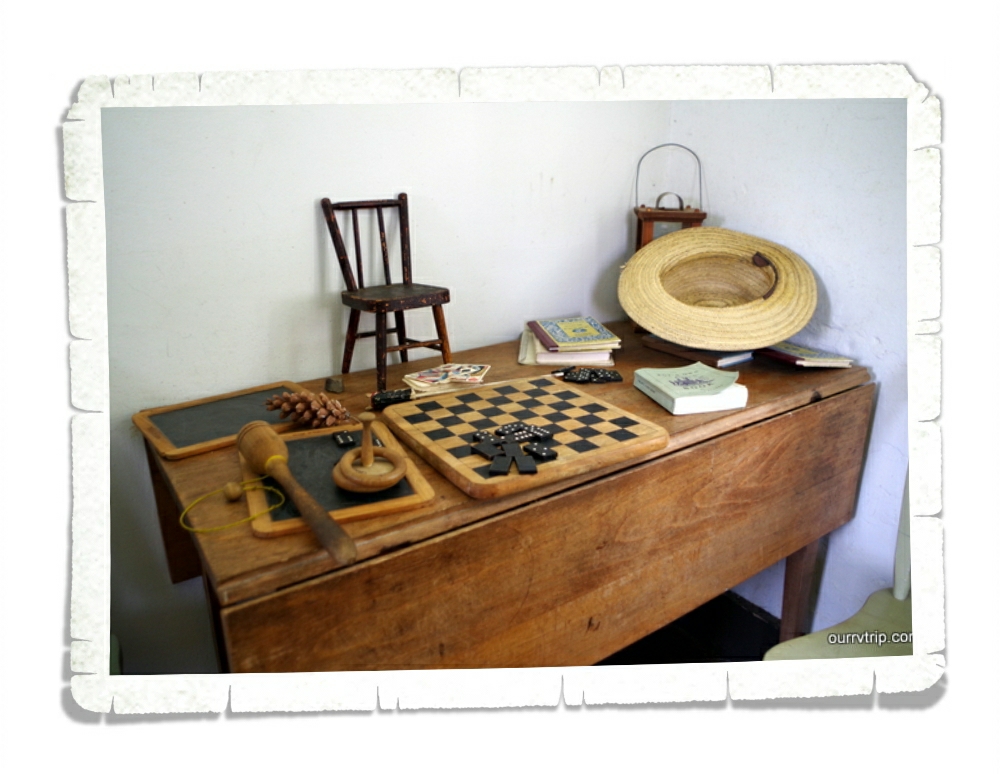
Hopewell was ahead of its time. People worked the same jobs for the same wages no matter what gender or color they were. Some workers with families rented company tenant houses. You can see a Kids room in one of the worker’s houses in the photo above.
We had a great time walking around Hopewell and learning about early American iron working communities! These kinds of National Park units are often overlooked but we find that these are the kinds of NP units that are the most needed. They preserve a time in our history that would be lost and eventually forgotten. If we forget where we came from and the struggles our ancestors went through…how can we know who we really are or how far we’ve come?
See y’all down the road!
#easternloop2016
2 Replies to “Hopewell Furnace”
I love those kinds of places. My mom has watched her MIL bake an Angel food cake in a wood oven. She’d watch the flame and fan it up or damper it down as needed. I bet that cake was amazing!!!
We had a good time wandering around Hopewell. It’s amazing how hard life was and how easy we have it now.